

AUTHOR: Abang Moses
As part of the second component of the Institutional Capacity Strengthening Project, Caritas Nigeria provided seed grants to the participating dioceses. In Wukari, the partner chose a WASH (Water, Sanitation, and Hygiene) project to provide water for vulnerable communities and schools in Tor Damisa. The rationale for this project stemmed from the crises between the Tivs and the Jukuns, Christians and Muslims, which rendered many community members homeless. The latest assessment recorded high cases of cholera and diarrhea, which were traced back to the lack of quality water.
The project, funded by the Catholic Relief Services, aims to position Catholic agencies to respond swiftly to development and humanitarian crises in Nigeria. This component focuses on implementing the third tripartite approach to capacity building, “Accompaniment,” which facilitates coaching and mentoring sessions with participants to encourage firsthand learning among partners. The project leadership chose St. Peter’s Secondary School as the site for drilling the borehole due to its strategic location among the communities.
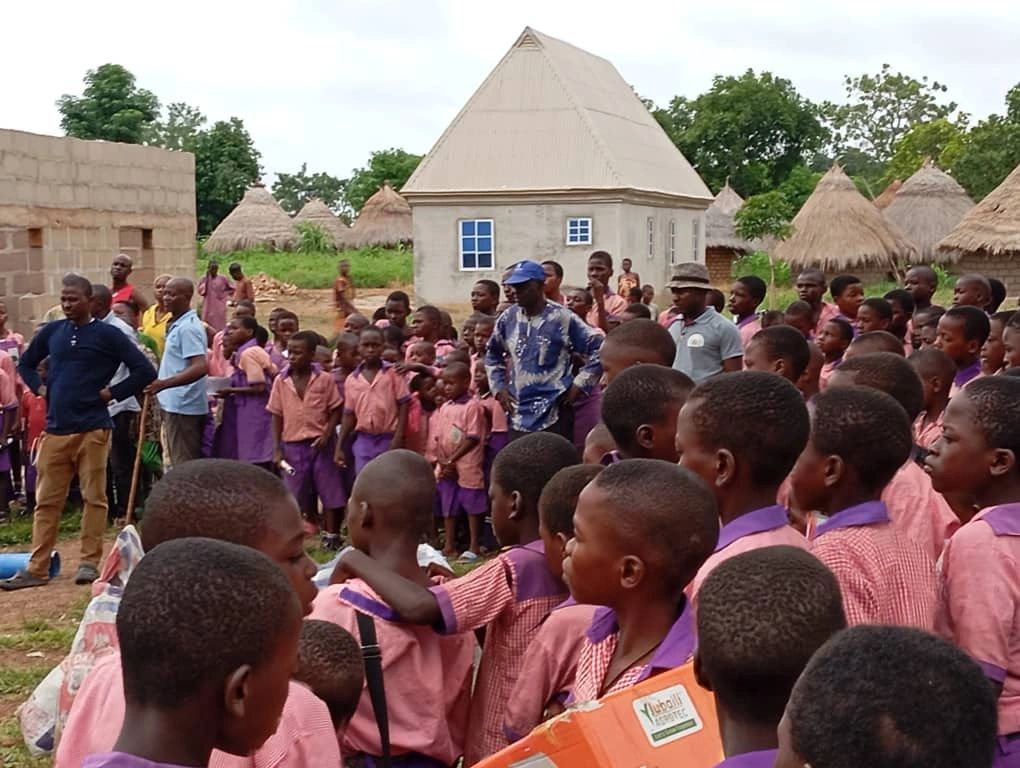
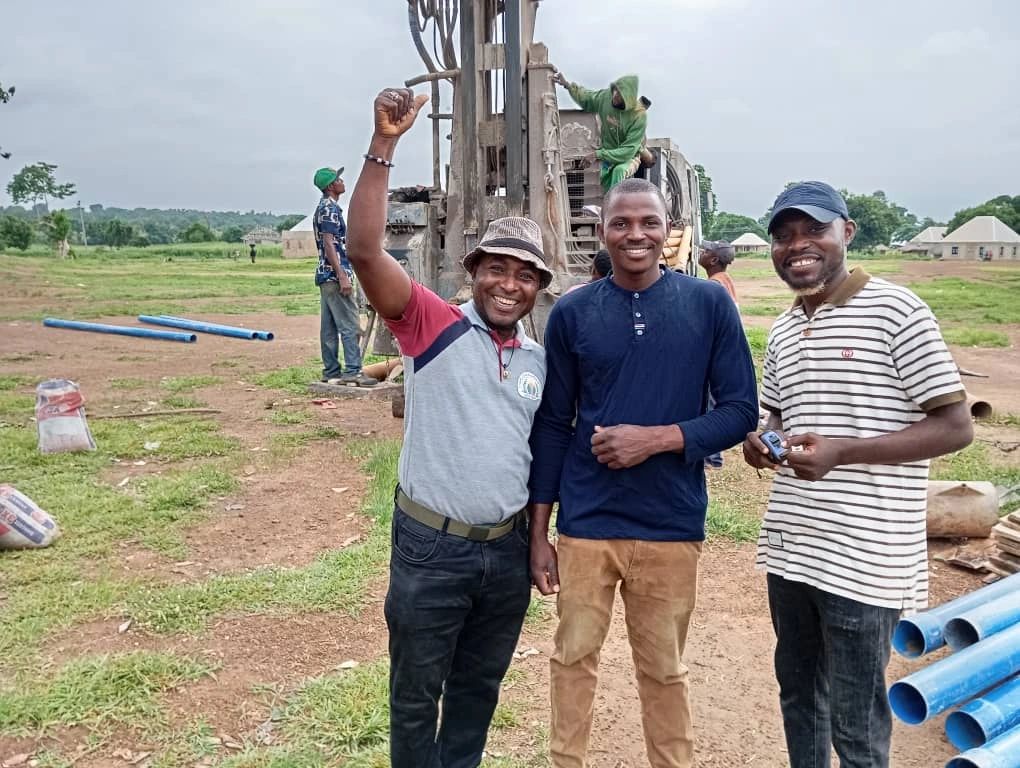
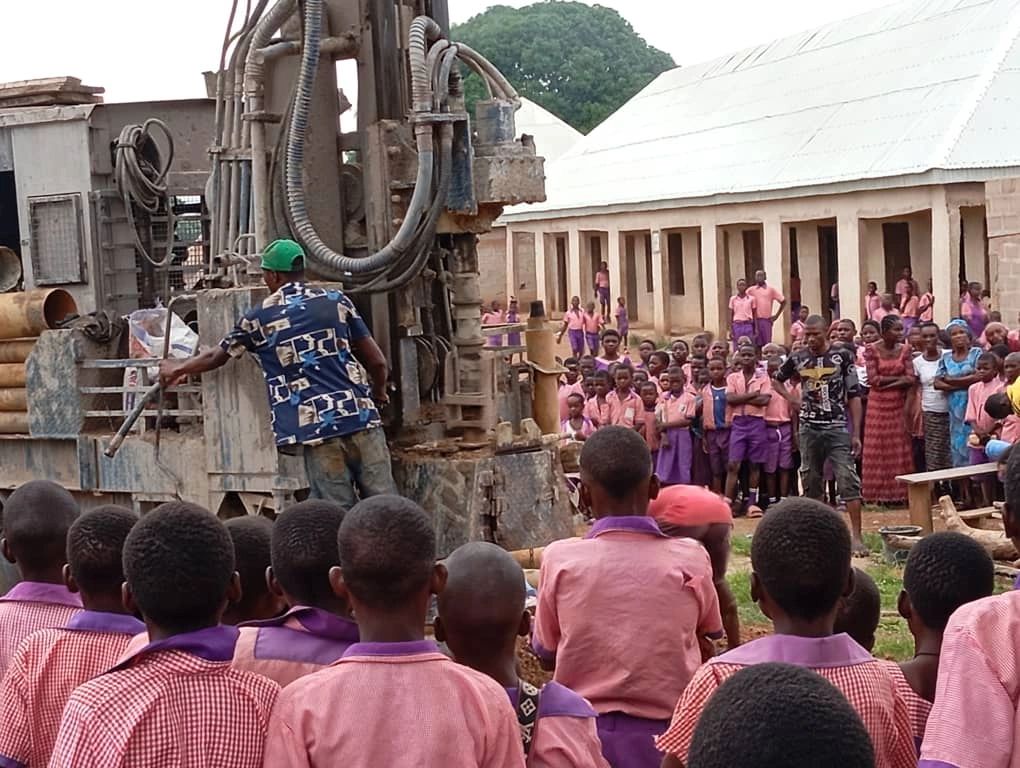
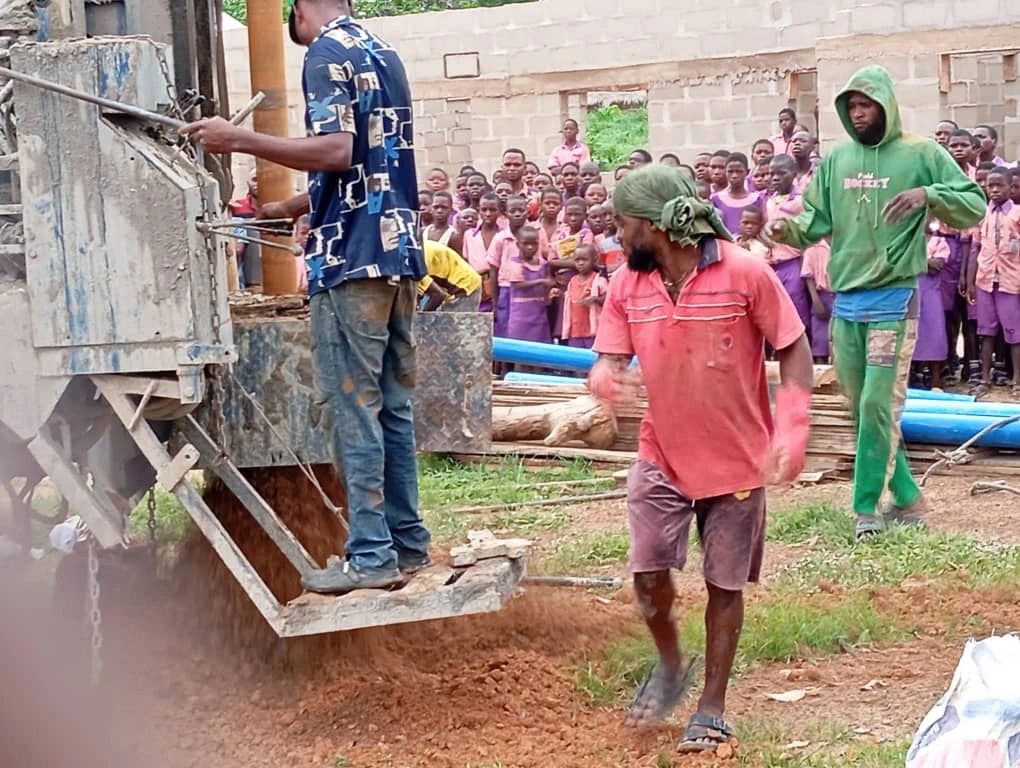
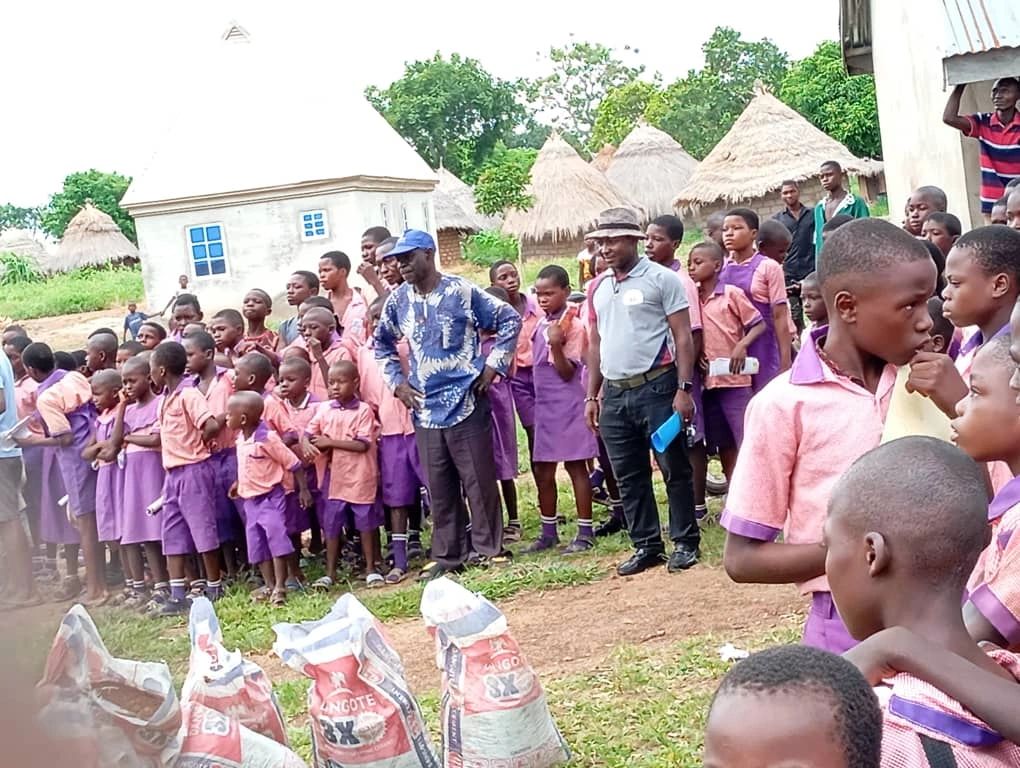
Images provided by Abang Moses
This initiative highlights the importance of providing essential services such as clean water, especially in areas affected by conflict and displacement. By addressing the water needs of these vulnerable communities, Caritas Nigeria and its partners aim to reduce the incidence of waterborne diseases and improve the overall health and well-being of the population. This project exemplifies the organization’s commitment to sustainable development and capacity building in the regions they serve.
A timely and well-written article. This shows how focused interventions, such as this WASH project, can address long-term development challenges in post-conflict communities as well as immediate health concerns. Worth reading and considering, this is a great illustration of real-world capacity building in action.
Well done!