

AUTHOR: Charles Tong-Lit Leung, PhD
Social Good DPro, Project DPro (Practitioner), Champion of PM4NGOs in China
The most impactful social progress emerges when different sectors unite behind a common goal. As a DPro practitioner, I have seen firsthand how structured collaboration can transform this potential into reality. This is why I see the Social Good DPro framework as such a powerful tool. It facilitates the creation of strong, effective partnerships between NGOs and companies under the banner of ESG, turning good intentions into real, lasting change.
The term “social good” has always resonated with me. At its core, it means working to benefit others—whether through improving livelihoods, strengthening communities, or safeguarding our environment. What is truly inspiring is that this drive is not confined to any single type of organisation. It brings together non-profits, government agencies, social enterprises, and businesses committed to making a positive impact. That shared purpose is what makes collaboration not only possible but also highly impactful.
In my experience, the success of any social initiative hinges on robust planning and thoughtful execution. Without structure, even the most promising ideas can fail to achieve their potential. This is where Social Good DPro plays a key role. It helps to translate our goals into concrete steps, and those steps into measurable outcomes—precisely what both NGOs and businesses require when they collaborate to create change.
One of the aspects I particularly value about Social Good DPro is its inclusivity. It is designed to be accessible to a wide range of users, regardless of their prior experience with formal project management. The framework can be applied to any type of project and is suitable for any practitioner looking to enhance the effectiveness of their social impact work. With the right dedication to learning and practice, individuals from diverse backgrounds can become proficient in using the guide and apply it effectively in their projects.
When it comes to ESG, good intentions alone are insufficient. What matters is demonstrating that those intentions are yielding tangible results. This is why I rely on DPro to guide a process that begins with understanding stakeholder expectations, moves through collecting both quantitative data and qualitative narratives, and concludes with evaluating the real impact against our initial aims. This level of clarity and accountability is vital—not only for transparent corporate reporting but also for NGOs needing to demonstrate their impact in a compelling, evidence-based manner.
I am also building various models via studies that can guide smarter collaboration between NGOs and companies. One such model, the “Developmental Approach,” focuses on long-term, community-based engagement where every stakeholder has a voice and a role. Another, which I term the “Problem-Solving Approach,” concentrates on identifying shared challenges and co-creating solutions. Regardless of the model chosen, Social Good DPro provides a practical backbone. By equipping both sides with a shared framework and language, we create the conditions for genuine co-creation, amplifying the impact and return on investment for these cross-sector partnerships.
Ultimately, I see Social Good DPro not just as a framework, but as a bridge—a means to connect sectors, align values with execution, and transform well-meaning ideas into results that truly matter. Whether work takes place in a remote village or a corporate boardroom, this approach ensures that a commitment to social good translates into outcomes that are visible, meaningful, and lasting.
.
ABOUT THE AUTHOR
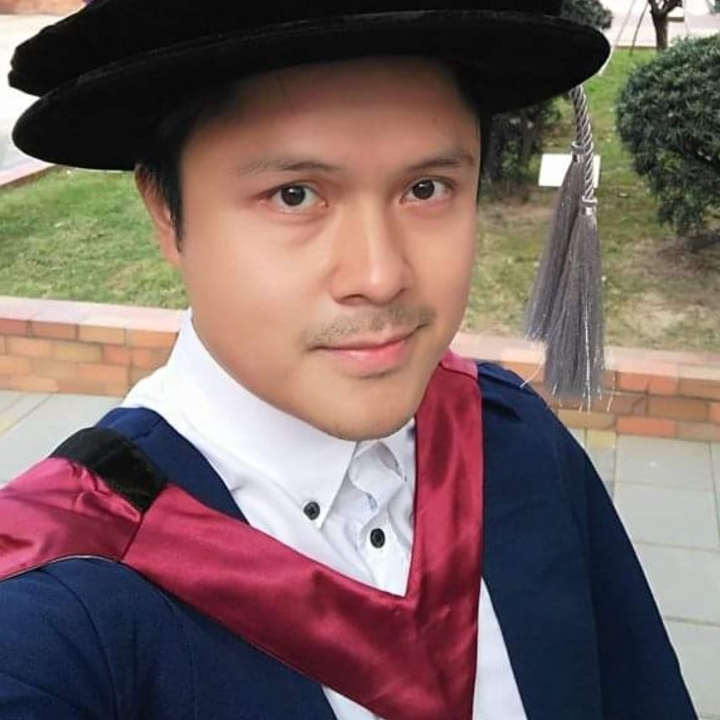
Charles Tong-Lit Leung, PhD
Dr. Charles Tong-Lit LEUNG is Assistant Professor of Social Work and Social Administration Programme at a university in Zhuhai, where the only Chinese Mainland city connecting with Hong Kong and Macau by land. Before working as full-time faculty, he served as a front-line social worker plus in various supervisory and managerial positions of non-profit organizations across the regions of Guangdong-Hongkong-Macao Greater Bay Area (GBA). In addition to the social work background, he holds the qualifications of accredited mediator (Hong Kong, Guangzhou, Kyoto) and professional project manager (IPMP; PMD Pro).
Charles has been applying the ideas of systems thinking in his academic and professional initiatives since the 2010s. For example, he developed a mechanism of social program evaluation for facilitating the deliberations among stakeholders throughout the process. He is now ambitious to promote the utilization of project management knowledge in non-profit and social development sectors across Chinese societies.